
Key Lyric: “Let The Light In”
On my album that speaks to my experience studying Philosophy at a Jesuit University, I wanted to pay tribute to someone who ALSO studied Philosophy at a Jesuit University: That being Lana Del Rey, an alumnus of Fordham. I often sit and wonder what I’m supposed to do with my Philosophy degree… I haven’t found much success with it, to be honest. But I like to tell myself that I’m just following Lana’s path!
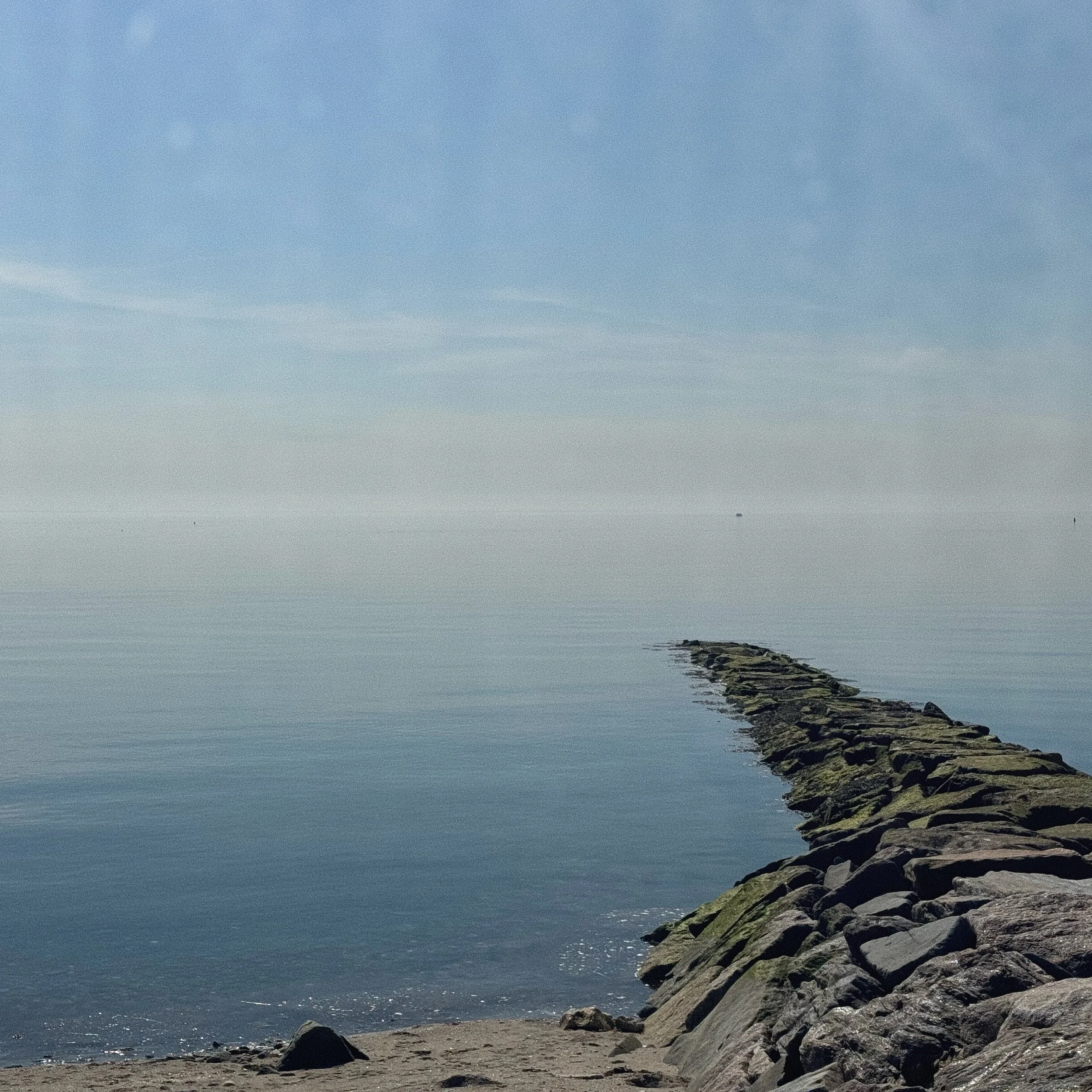
As for its place in the album, lyrically. The Light refers to a lot of things. The Light is, primarily, my alma mater apologizing to me and other queer students of past, present, and future. The Light could be… Getting my tuition back and taking a three-month vacation to Italy to make up for the semester I should’ve been abroad but went through this album instead. The Light looks like Catholic schools supporting LGBTQ+ causes on and off campus. The Light’s also feeling like queer marriage in the church. The Light might be reuniting with some of the people I lost through this. But The Light, most of all, is the future where I can afford a cute little 1-bedroom above the water in Westport… I hope this song leads the way!
Purpose (Why this song?)
I created Let The Light In, like many tracks on the album, fairly quickly. My focus was building up my vocals to create the sort of sound you might expect from a liturgical men’s choir. There are plenty of ways to do this, but the easiest is to literally just turn yourself into a choir. I recorded myself singing the chorus over and over again, with different harmonies and breath-work, to create the same ambiance and dynamics you’d find from an actual group of me’s. A fun aspect of this is that the song features every vocal session I had for the track, from its first demo to the final master. Each recording was part of the journey of the song, which is always true: But it hits a little different here, where each one really does impact what you’re hearing in the finished product!
The Creative Process:
Sonic Identity
Let The Light In aims for ultimate simplicity throughout the majority of the song, opting for just a few stringed instruments playing chords throughout the verses with the addition of only a bass and organ in the choruses. It focuses instead on my vocals, layered to the heavens and dampened with a ton of reverb to sound like a men’s chorus. The song ends with a light instrumental that evokes the sounds of contemporary Catholic church services across the United States.
Core Sounds
-
One of the inspirations of the album was that of being a post-modern bard. See, I had been playing Baldur’s Gate 3. I was a hunky bard named Hunter, a big hairy half-elf (with a beard ofc) who played the Lute. He’d put on his show & talk his way into anything he wanted.
To honor how much fun I had with that game, I brought in a Lute for this track. It hides in the sound of the guitar, but it’s there!
-
Of course, this song also speaks to my feelings regarding being a gay Catholic. Or, a gay man raised Catholic at the very least. To explore this in a sonic sense, I brought in the sounds of a church organ for the choruses of the track. In a track with this small number of instruments: It is something very simple that still has something to say, you know?
-
The Church organ is supported with a really simple bass. It’s practically just a pure tone. But it provides warmth. Hopefully you can feel like you can nestle into this track.
-
This is the most iconic part of the song. See, I wanted to pay homage to how I grew up as a Catholic. I was in a church choir, a diocese choir, a jazz-acapella group, a men’s chorus, and my university’s Chorale at various points in my religious journey. I always detested the doctrine of the church, but the music always gave me comfort.
For this track, I wanted to revisit that sound. I’m used to singing in a choir, it’s where I’m most comfortable. But I can’t just call up the Chorale, you know? I wanted to build a track that turns my voice, and my voice alone into the same grand sound that I’m used to just being a part of
Storyline
Let The Light In was originally inspired by a friend. See, I had played my first draft of the album for them on my birthday, and they mentioned something about wanting to hear me sing Supercut without as much vocal production surrounding my voice. They mentioned a strum. While I didn’t want to touch the concept of Supercut for the album, their comment inspired me to want to record something that highlighted my voice in a direct fashion.
Let The Light In is a song I’ve always loved, especially for its lyrical melody and duet harmony during the chorus. And with an album that already had been tying together my lives as a pop-lover and a singer in liturgical environments, it made sense for me to take a chance on the song by Lana Del Rey. I imagined it as a song you’d hear at church, when getting communion and waiting for the procession to die down. I imagined myself as the men’s choir providing vocals while a single guitarist strummed. I let that idea guide me and the song’s creative process. I think I did a pretty good job in that sort of hybrid pop-liturgical moment!
Key Moments
-
In the original track by Lana Del Rey, she sings the lyric “Put the Beatles on, go back to bed.”
I don’t care for the Beatles, really. And to be fair, I just don’t have experience with their music to think much of them at all. But in the pursuit of covering this song, it just felt weird to sing the lyric. Felt old fashioned. So I thought, who would fit me more? Who would fit in with the future-looking idea of “The Light” that I’ve established? For me, the answer was Kesha.
I also found the idea of putting Kesha on and then going to bed funny. Maybe a playlist with a few of the slower songs from her later albums <3
-
The most important part of this track, in the context of it as part of the For Boston album, is the instrumental ending. I wanted to blend Christian sounds and themes with those of pop music, and I really felt like this was my biggest opportunity to show that off.
The original song by Lana features a beautiful instrumental ending that regularly makes me cry (even when it played at work, once). I knew I couldn’t do justice to the original, so I aimed to do something that felt different. And I thought about where, in my life, I’ve experienced long instrumental outros. For me, Church came to mind: When everyone gets the eucharist and the singing has concluded, but the Musician has to continue playing until everyone is finished in line. That’s what I was after
To achieve this, I pull away the vocals and bring the organ forward, while also introducing an extremely light piano & lute/harp line that just plucks at notes. I hope you find this section of the song relaxation, or maybe even cathartic. It’s actually a spell to, well… let the light in!